In the period 13.04.2026 - 19.04.2026 the Polish supervisory authorities published 15 alerts on product safety. According to notices from GIS (Chief Sanitary Inspectorate), UOKiK (Office of Competition and Consumer Protection) and GIF (Chief Pharmaceutical Inspectorate), the recalled products cover food, toys, cosmetics, medicines, sports equipment and carbon monoxide detectors. The most serious hazards include Listeria monocytogenes in beef tartare, contamination of the contrast agent Gastrografin with potentially carcinogenic N-nitroso-meglumine, excessive levels of phthalates in toys and a children’s backpack, as well as an ineffective carbon monoxide detector. These GIS alerts and other official warnings show that food safety and the safety of everyday consumer goods require constant oversight. This week’s recalled products affect major retail chains such as Biedronka, Selgros, Aldi, Decathlon and Pepco, as well as pharmaceutical distributors. Below we present all recalled products, explain the related health risks and outline what consumers should do.
| Product | Store | Hazard | Risk |
|---|---|---|---|
| Gastrografin (660 mg + 100 mg)/ml – Delfarma | n/a | N-nitroso-meglumine contamination above acceptable limit | High |
| Beef tartare | n/a | Listeria monocytogenes detected in beef tartare | Critical |
| Beef tartare 200 g – batch 01493126 | Selgros | Listeria monocytogenes in batch 01493126 | Critical |
| Coated waffles with coconut 450 g | Aldi | Incorrect allergen labelling and titanium dioxide declaration | High |
| TEDi backpack with contents | n/a | Elevated DEHP plasticiser content in materials | High |
| Coca-Cola carbonated drink 330 ml | Biedronka | Abnormally salty taste, possible chemical contamination | High |
| Plastic ball Best Toys | n/a | Excessive phthalates DEHP, DBP and DIBP | Critical |
| BIGTOYS squeaky toy set | n/a | Excessive concentration of DEHP phthalate | High |
| Bella Happy Aqua Care baby wipes | n/a | Exceeded limits of bacteria, moulds and yeasts incl. Candida | High |
| Van Rysel EDR CF ULTRA 105 DI2 bicycle | Decathlon | Too many spacers, risk of fork steerer damage and loss of control | High |
| Sand toy set with dump truck | Pepco | Holes may trap a child’s finger and impair circulation | Medium |
| Gastrografin (660 mg + 100 mg)/ml – Bayer | n/a | N-nitroso-meglumine above AI limit of 100 ng/day | High |
| Extralink carbon monoxide detector | n/a | Insufficient sensitivity to CO, alarm may not activate | Critical |
| Bella Baby Happy Aqua Care wipes | n/a | Exceeding microbiological requirements for wipes | High |
| Beef tartare 200 g – batch 01565526 | Selgros | Listeria monocytogenes in batch 01565526 | High |
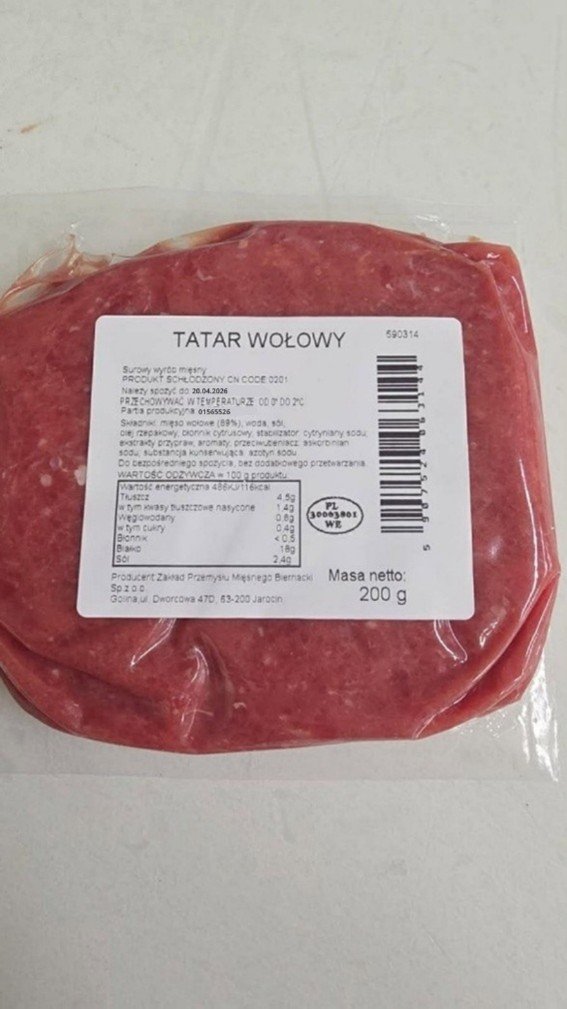
Beef tartare – Listeria monocytogenes
Hazard: Proprietary testing detected the presence of Listeria monocytogenes in a specific batch of beef tartare, indicating microbiological contamination. Potential effects include listeriosis and food poisoning with possible severe complications, especially in pregnant women, older people and immunocompromised patients. GIS warns against consuming products from batches 01565526 and 01493126.
Store: n/a (product distributed to several chains including Selgros) | EAN: 5907524063144 | Manufacturer: Zakład Przemysłu Mięsnego Biernacki Sp. z o.o., Golina
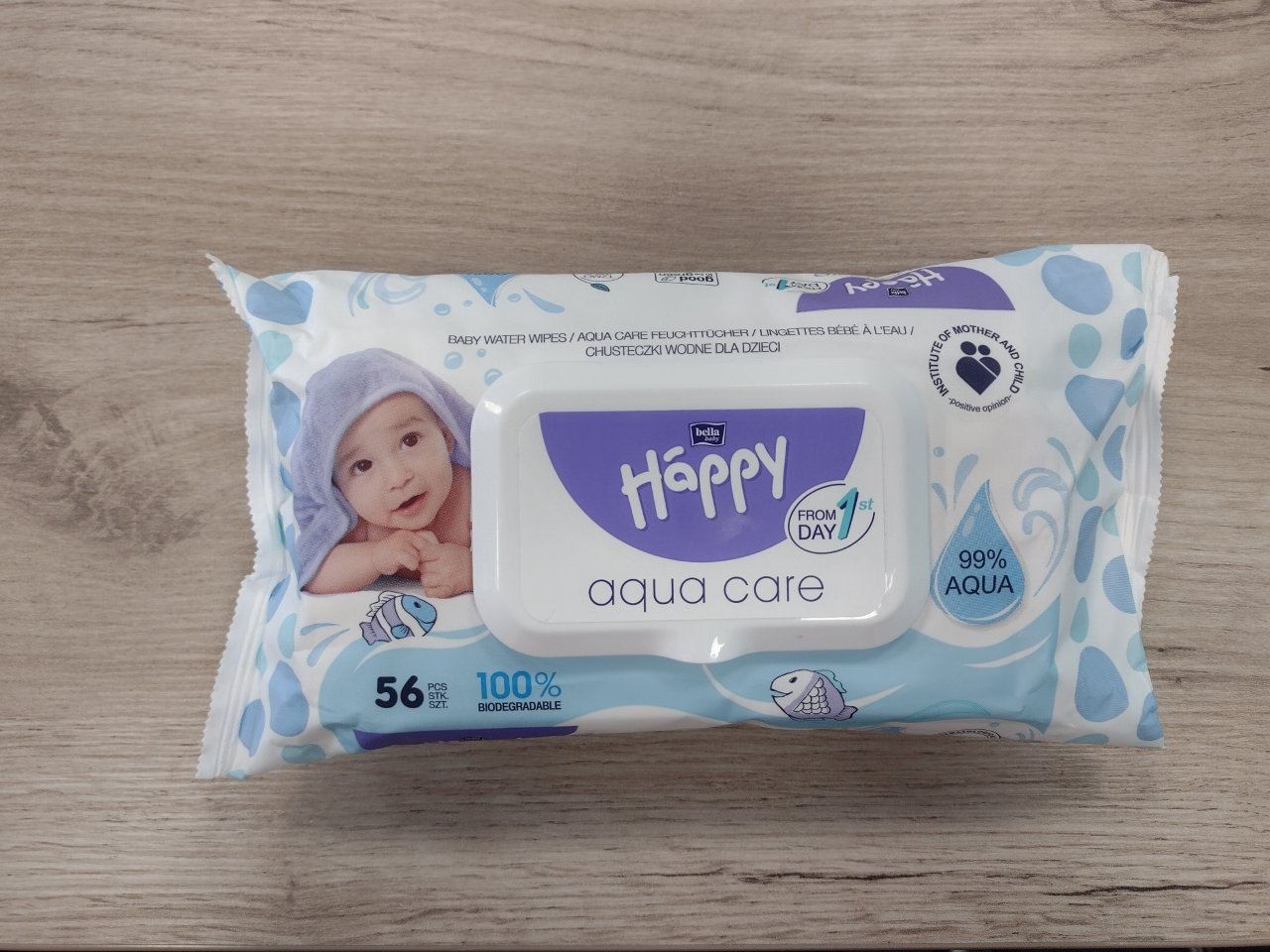
Bella Happy Aqua Care baby wipes
Hazard: According to a GIS notice, the wipes exceed permissible limits of mesophilic aerobic bacteria as well as moulds and yeasts, including Candida albicans. This may pose a risk of skin irritation, infections and allergic reactions, particularly in infants, young children and people with sensitive or damaged skin.
Store: n/a | EAN: 5900516422387 | Manufacturer: Toruńskie Zakłady Materiałów Opatrunkowych S.A.
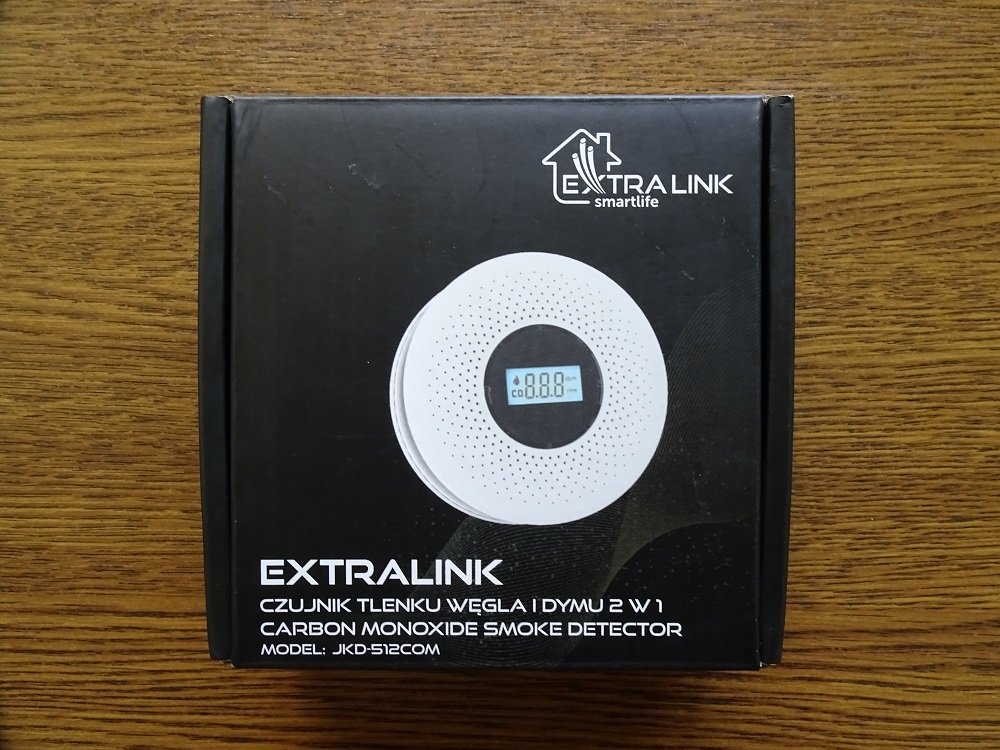
Extralink carbon monoxide detector
Hazard: As reported by UOKiK based on Safety Gate data, the device is not sufficiently sensitive to carbon monoxide. The alarm may fail to activate at concentrations that are dangerous to health, exposing users to CO poisoning, loss of consciousness and potentially fatal suffocation. This makes it one of the most critical recalled products this week.
Store: n/a (sold online and in physical outlets) | EAN: 5905090331087 | Manufacturer: Extralink, model JKD-512COM
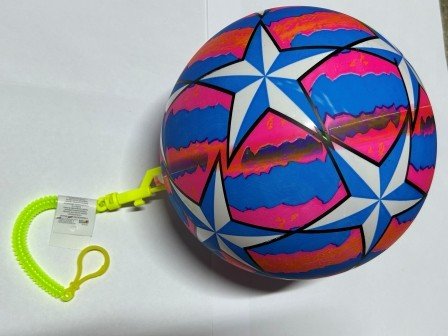
Plastic ball Best Toys
Hazard: The toy contains excessive levels of the phthalates DEHP, DBP and DIBP (up to 2.5%, 5.2% and 8% by weight). These substances are endocrine disruptors that can harm children’s reproductive systems and normal development. According to UOKiK, the product does not comply with REACH requirements and EU toy safety rules.
Store: n/a | EAN: 5905172635140 | Manufacturer: Best Toys, batch BT00024
Health risk analysis
The recalled products this week cover a broad range of hazards – from infectious diseases and chemical contaminants to mechanical injuries. In terms of food safety, the most serious GIS alerts concern beef tartare contaminated with Listeria monocytogenes. This bacterium can cause severe listeriosis with flu-like symptoms, diarrhoea and high fever, and in pregnant women it may lead to miscarriage or infection of the foetus.
The contrast agents Gastrografin, withdrawn by GIF due to N-nitroso-meglumine levels above the acceptable intake limit of 100 ng/day, pose a potential long-term carcinogenic risk. While a single administration is unlikely to cause immediate harm, the precautionary principle in pharmacotherapy requires that such recalled products be replaced with uncontaminated alternatives.
Toys and the TEDi backpack containing phthalates (DEHP, DBP, DIBP) breach EU rules limiting these substances because of their toxicity to the reproductive system and potential endocrine-disrupting effects. Continuous contact of a child with such products increases the risk of adverse health outcomes.
For Bella Happy Aqua Care and Bella Baby Happy Aqua Care wipes, the key problem is microbiological contamination, including Candida yeasts. Contact with contaminated wipes may lead to redness, itching, secondary skin infections and nappy rash in infants. The defective Extralink carbon monoxide detector is directly life-threatening: without an alarm at high CO levels, occupants may not evacuate in time.
Mechanical hazards are also present. The Pepco sand toy set allows a child’s finger to become trapped in holes at the ends of the shovel and rake, which can cause pain, bruising and tissue damage. The Decathlon Van Rysel bicycle may suffer fork steerer damage due to too many spacers, increasing the risk of sudden loss of control and accidents.
Stores affected by the recalls
The recalled products this week involve several major retail chains. Biedronka is affected by the complaint about a 330 ml Coca-Cola can with an abnormally salty taste. Aldi is withdrawing coated waffles with coconut 450 g due to incorrect allergen labelling. Selgros faces multiple alerts for beef tartare 200 g with Listeria monocytogenes in specific batches. Decathlon is recalling selected Van Rysel EDR CF ULTRA 105 DI2 bicycles, while Pepco is withdrawing a sand toy set that can trap children’s fingers.
TEDi-branded backpacks and several toys and cosmetics were sold through various channels, including chain stores and online platforms. Consumers should monitor GIS alerts and UOKiK warnings and compare batch numbers on the packaging with the official information. In most cases, recalled products can be returned to the store even without a receipt, as long as the product matches the described batch or model.
Consumer advice
If you have any of the recalled products at home, start by checking the batch number, best-before date and EAN code on the packaging. For beef tartare from batches 01565526 or 01493126, do not consume it under any circumstances. GIS explicitly advises disposal or return to the store. Anyone who has eaten the tartare and experiences flu-like symptoms, diarrhoea, fever or muscle pain should contact a doctor and mention possible exposure to Listeria monocytogenes.
For Bella Happy Aqua Care and Bella Baby Happy Aqua Care wipes, stop using them immediately, especially on children and people with sensitive skin. If redness, rash or itching occurs, seek medical or dermatological advice. The faulty Extralink CO detector should be replaced at once with a certified device – do not rely on a model that has been recalled, as it may fail in a real emergency.
Recalled foods such as the Aldi waffles or the Coca-Cola drink from Biedronka should be returned to the store or safely discarded at home. If you develop symptoms of food poisoning (stomach pain, nausea, vomiting, diarrhoea), consult a doctor; in severe cases, go to an emergency department. At home, good food safety practice includes regularly checking your pantry and fridge against current GIS alerts.
Toys with excessive phthalates or mechanical hazards (such as the Pepco sand set) should be removed from children immediately. Stores usually accept returns of such products and offer a refund or replacement. Keeping the packaging and label helps identify the recalled product, but is not strictly required if you refer to an official recall notice. In case of difficulties with a return, you can ask a local consumer ombudsman for help.
Regulatory context
The recall process in Poland is based on national and EU law. In the field of food safety, Regulation (EC) No 178/2002 is key. It requires food business operators to immediately withdraw unsafe food from the market and to inform consumers. GIS publishes official notices on recalls, and companies are obliged to cooperate with the inspectorate and trace affected batches.
For non-food consumer products such as toys, detectors and sports equipment, oversight is carried out by UOKiK together with the Trade Inspection, using mechanisms such as the EU Safety Gate rapid alert system. Medicinal products are supervised by the Chief Pharmaceutical Inspectorate, which can order the suspension of distribution or the withdrawal of batches due to contamination or quality defects, as in the case of Gastrografin.
Consumers have the right to return unsafe products and receive a refund or a safe replacement. Lack of a receipt does not remove the seller’s responsibility if an official recall has been announced. If a store refuses to accept a recalled product, consumers can submit a complaint to UOKiK or seek assistance from a municipal or regional consumer ombudsman.